


Key Takeaways
- Consuming nutrient-dense foods helps nourish hair from within for long-term strength.
- Selecting gentle, chemical-free products protects your scalp and hair shafts.
- Scalp massages are beneficial for stimulating hair follicles and encouraging growth.
- Lowering stress levels can prevent hair shedding and promote a healthy scalp.
- Limiting heat styling is crucial in preventing chronic hair damage
Table of Contents
- Maintain a Balanced Diet
- Use Gentle Hair Care Products
- Regular Scalp Massages
- Manage Stress Levels
- Limit Heat Styling
- Stay Hydrated
- Opt for Protective Hairstyles
- Incorporate Natural Oils
- Conclusion
Maintaining healthy hair is an important goal for many women. A natural approach focuses on dietary choices, gentle hair care, and daily habits to support hair health and overall vitality. Incorporating the best Nutrafol products for women into your routine can also make a significant difference in keeping your hair resilient and full of life. By understanding how lifestyle and nutrients affect hair, you can make choices that deliver lasting benefits. Healthy hair is the result of consistent care and informed decisions. Adopting a holistic view that combines nutrition, stress management, and mindful styling is the most sustainable path toward achieving stronger, shinier, and more resilient locks. Simple adjustments can go a long way toward preventing common issues like dryness, thinning, and breakage, empowering you to look and feel your best every day.
Maintain a Balanced Diet
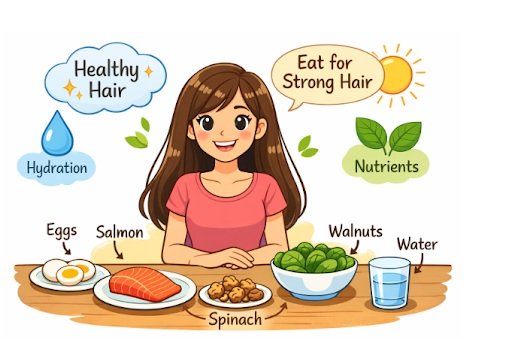
Hair thrives on a foundation of good nutrition. Consuming foods rich in essential nutrients helps support hair growth and reduces the likelihood of hair becoming weak or brittle. Protein is a key building block for hair, so include sources such as eggs, lentils, and fish regularly. Omega-3 fatty acids, found in walnuts and salmon, help hydrate and add shine. Vitamins and minerals, such as vitamin A, vitamin C, and iron, which are rich in foods like spinach and sweet potatoes, strengthen hair and aid in repair. Dehydration can make hair drier and more prone to breakage. Drinking at least six to eight glasses of water each day is one of the simplest yet most effective ways to keep your hair and scalp hydrated.
Use Gentle Hair Care Products
The products you choose play a major role in maintaining your hair’s overall health, strength, and shine. Many commercial shampoos and conditioners contain harsh chemicals like sulfates and parabens, which can strip the hair of its natural oils, leaving the scalp dry, sensitive, and prone to irritation, while increasing the risk of breakage and split ends. Switching to hair care products formulated with botanical extracts and essential oils, or labeled sulfate- and paraben-free, helps protect the hair cuticle, lock in moisture, and preserve natural shine. Additionally, incorporating nourishing ingredients such as aloe vera, argan oil, or shea butter can strengthen strands and support scalp health. Taking the time to read ingredient labels and researching brands that prioritize natural, restorative formulations ensures that your daily hair care routine is both gentle and effective, promoting long-term hair vitality and resilience.
Regular Scalp Massages
Incorporating a daily scalp massage is a simple yet effective way to boost hair growth. A gentle massage increases blood flow to the follicles, ensuring that nutrients are adequately delivered to the roots of your hair. One study published found that participants who practiced scalp massages daily had thicker hair after 24 weeks. Use your fingertips in slow, circular movements for about five minutes each day to support growth and relaxation.
Manage Stress Levels
Limit Heat Styling
Frequent use of heat styling tools like blow dryers, flat irons, and curling wands can degrade the protein structure of your hair, leaving it prone to excessive dryness and breakage. To minimize damage, try to let your hair air-dry whenever possible. If you do use heat, always apply a thermal protectant spray and choose lower temperature settings for your tools. Occasional heat styling, combined with restorative treatments, will help you maintain both style and health.
Stay Hydrated
Proper hydration is not just important for your internal organs but also crucial for the health of your scalp and hair. Drinking enough water daily helps keep your hair moist from root to tip, helping combat dullness and brittleness. Aim to drink water throughout the day consistently, and remember that caffeinated beverages do not substitute for water’s hydrating effect.
Opt for Protective Hairstyles
Wearing tight ponytails, braids, or buns can put undue tension on your hair, potentially resulting in traction alopecia, a type of hair loss associated with pulling at the roots. Opting for looser styles or protective hairstyles that are gentle on the scalp and strands, such as loose braids or low buns, helps protect hair from breakage. Switching up your part and varying your hairstyles can also minimize stress on any one section of your hair.
Incorporate Natural Oils
Natural oils are an effective way to nourish the scalp and hair shaft, providing hydration and supporting growth. For example, recent research suggests that rosemary oil may be as effective as minoxidil in promoting hair growth among those with thinning hair. To use, blend a few drops of rosemary oil with a carrier oil, such as coconut or argan oil, then massage gently into your scalp several times a week for best results. Other oils, such as jojoba and almond, can also help strengthen and condition hair naturally. By embracing these natural approaches, you can support and enhance your hair’s health, making your hair stronger, shinier, and less prone to everyday damage. Building a consistent routine around nutrition, hydration, gentle care, and stress management ensures your hair receives the long-term care it needs.
