


Table of Contents
- The Role of Clinical Trials in Medical Research
- Advancements in Clinical Trial Methodologies
- The Importance of Diversity in Clinical Trials
- Technological Innovations Enhancing Trial Efficiency
- Patient Participation and Its Impact
- Ethical Considerations in Clinical Trials
- Challenges and Future Directions
- Conclusion
Clinical trials represent the backbone of medical innovation. By offering evidence-based insight into how new interventions work, they help transform laboratory discoveries into real-world solutions for patients. Participating in such studies can directly impact your health journey and contribute to the greater good. To learn more about the pros and cons of taking part in a clinical trial, understanding your role can help you make the most informed decision about your involvement.
These studies not only influence treatment options for current and future patients but also establish standards for safety, efficacy, and fairness within healthcare. As medicine continues to advance, clinical trials remain at the core of these transformative shifts, promoting continuous research and improvement in medical care worldwide.
The Role of Clinical Trials in Medical Research
Clinical trials are the foundation for translating groundbreaking laboratory findings into approved therapies that patients can access. These well-regulated studies rigorously evaluate both the potential benefits and risks of experimental treatments. They serve as a critical safeguard, allowing only those therapies that demonstrate clear value to progress toward public availability.
Over time, this process has led to the introduction of vaccines, cancer treatments, and chronic disease management strategies that save countless lives. Without clinical trials, the gap between scientific discovery and patient impact would remain largely unbridged, stalling health progress for entire populations.
Advancements in Clinical Trial Methodologies
Innovation in research design and execution has revolutionized clinical trials over the past decade. By leveraging artificial intelligence and machine learning, researchers can match eligible participants to studies efficiently and analyze larger, more complex datasets. These improvements have streamlined recruitment and accelerated the process of translating results into practical medical guidelines.
Adaptive trials, which allow researchers to modify key aspects of a study based on interim results, have also grown in popularity. Such flexible designs maximize learning while minimizing participant risk, helping to personalize medicine and increase the success rate for new therapies. Recent advances have opened doors that previously limited progress, offering fresh hope to patients with difficult-to-treat conditions. You can learn more about adaptive clinical trial design and recent breakthroughs through trusted resources like the NIH Research Matters.
The Importance of Diversity in Clinical Trials
Ensuring diversity in clinical research is essential to generating results that represent all patient groups. Historically, women, older adults, and certain racial or ethnic minorities have been underrepresented in many studies. This underrepresentation leads to treatments that may be less effective or less safe for those populations.
Efforts by regulatory agencies and advocacy groups have encouraged more inclusive recruitment practices, which strengthen the medical community’s ability to address healthcare disparities. Diverse trials enable a deeper understanding of how genetics, environment, and lifestyle affect responses to medication, ultimately paving the way for more precise and equitable care.
Technological Innovations Enhancing Trial Efficiency
The integration of technology into clinical trials is driving revolutionary changes. Decentralized clinical trials, for instance, utilize wearables, remote monitoring, and telemedicine to bring research to patients’ homes. This digital approach breaks down geographic barriers, increases participation rates, and reduces the time and cost associated with traditional site-based trials.
Digital health platforms also enable real-time communication and continuous data collection, thereby shrinking the gap between researchers and participants. As digital infrastructure matures, these technologies promise to make participation more convenient and trial outcomes even more reliable. The journal Nature further explores the impact of remote trials, highlighting how these innovations shape the future of medical research.
Patient Participation and Its Impact
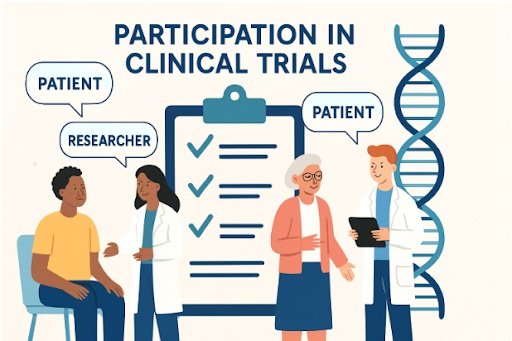
Patient engagement remains vital to the success of every clinical trial. Those who choose to participate directly contribute to progress in medicine, whether or not they personally benefit from the treatment under study. Their involvement allows researchers to gather diverse health data and refine therapies based on real-world experiences.
Participants may receive cutting-edge treatments before they are widely available. Informed patients are more likely to adhere to study protocols, improving data quality and enhancing the general understanding of medical interventions. Their stories and feedback influence study design and help shape public perception of medical research.
Ethical Considerations in Clinical Trials
Ethical oversight is fundamental in every stage of the clinical research process. Informed consent ensures that participants understand the purpose, procedures, and risks involved in the study. Independent review boards monitor trials to uphold protections for participant safety and autonomy.
Ethical considerations also extend to how data are collected and used, emphasizing confidentiality and transparency. Maintaining strong ethical standards reassures participants that the research is conducted with their best interests in mind, ensuring public trust in medical progress.
Challenges and Future Directions
Despite remarkable progress, clinical research continues to face persistent challenges. Recruiting participants remains a hurdle, especially for rare conditions or during public health crises. Ensuring data security and addressing privacy concerns will become even more important as technological integration deepens.
Looking ahead, emerging technologies and more inclusive designs promise to make trials more efficient and reflective of real-world populations. Strengthening collaboration between researchers, participants, and regulatory agencies will further bridge remaining gaps in access and integrity, propelling the next generation of medical breakthroughs.
Conclusion
Clinical trials are indispensable for driving medical progress. Their rigorous process of evaluating new therapies ensures both safety and effectiveness, benefiting individuals and societies alike. With continuous innovation, commitment to diversity, and adherence to ethical standards, clinical trials will continue to be a foundation for advancing global health outcomes. Participants in these studies gain access to cutting-edge treatments and personalized care. Their involvement helps identify potential risks and optimize therapeutic strategies. By contributing to research, volunteers actively shape the future of medicine. Ultimately, every trial strengthens the bridge between scientific discovery and improved patient care worldwide.
