


Key Takeaways
- Obtain a proper license and complete approved training courses.
- Wear high-quality protective gear, including a certified helmet.
- Thoroughly inspect your motorcycle before each ride.
- Practice defensive riding and anticipate hazards.
- Maintain a safe following distance from other vehicles.
- Never ride under the influence of alcohol or drugs.
Motorcycle riding can be an exhilarating way to travel, offering freedom, efficiency, and a unique connection to the road. However, new riders often face increased risks due to inexperience, limited visibility, and the need to adapt quickly to traffic conditions. Understanding safe road practices, from proper helmet use and protective gear to defensive riding techniques, is essential for reducing the likelihood of accidents and ensuring a smoother, more confident ride. Developing these habits early can help new riders anticipate potential hazards, respond effectively to unexpected situations, and enjoy motorcycling without compromising safety.
Licensing and Training
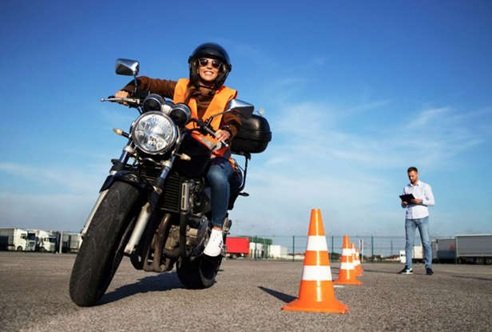
Getting a motorcycle license is the first serious step in becoming a safe rider. This process differs by state but typically involves a written exam and an on-cycle skills test. Many states require or offer a certified basic rider safety course that provides practical, hands-on instruction on staying safe in real traffic situations. Data from the National Highway Traffic Safety Administration (NHTSA) show that unlicensed riders are far more likely to be involved in serious accidents. Investing in this early training not only boosts your skills but can also lead to insurance discounts and added legal protections.
Protective Gear
Choosing the proper gear is as crucial as mastering your motorcycle’s controls. Always wear a DOT-compliant helmet, which significantly lowers the risk of traumatic brain injury in a crash. Protect your skin and limbs with abrasion-resistant clothing such as reinforced leather or specialized synthetics, along with armored gloves and durable, over-the-ankle boots. Wearing high-visibility clothing with reflective accents helps drivers see you more easily, especially at night. The right helmet and gear are vital for minimizing injury severity in all kinds of accidents.
Pre-Ride Inspection
Before every ride, set aside a few minutes for a thorough inspection of your motorcycle. Begin by checking tire pressure and tread depth, which are crucial for safe handling and braking. Test your front and rear brakes separately—both need to work flawlessly. Confirm that all lights, including the headlight, tail light, brake light, and signal indicators, are functioning. Assess fluid levels for oil, coolant, and brake fluid, and look for signs of leaks. This proactive inspection can prevent mechanical failures and help you recognize issues before they translate into dangerous situations.
Defensive Riding
Motorcyclists must always ride with an active awareness of their surroundings and other drivers’ behavior. Defensive riding means assuming that you are not seen by other motorists, especially in heavy traffic or near intersections where cars often make sudden, unexpected maneuvers. Keep your headlights on, position yourself in lanes where you are most visible, and always have an escape plan in mind. Stay alert for road hazards like potholes, loose gravel, or wet leaves, which can quickly throw a bike off balance. Defensive strategies enable riders to react swiftly and safely to unpredictable traffic situations.
Maintaining Distance
One of the best ways to avoid collisions is to maintain a proper following distance from other vehicles. The recommended rule is to maintain a two-second buffer in dry conditions; extend it to three or four seconds during rain or heavy traffic. When stopped, make sure you can see the rear tires of the car ahead of you, which usually indicates you have left enough space to stop. Never linger in another vehicle’s blind spot or ride closely beside large trucks and buses, as they may not see you when changing lanes. This extra space is your greatest ally when unexpected obstacles appear or vehicles stop without warning.
Staying Sober
Operating a motorcycle demands sharp reflexes, keen coordination, and rapid judgment—all of which are significantly impaired by alcohol and most drugs. Statistics highlight an alarming trend: more than 40 percent of fatal single-vehicle motorcycle crashes involve alcohol-impaired riders. Always ride sober and never let friends or fellow riders get on their bikes if they have been drinking or using drugs. Sobriety saves lives and helps keep your record clean in case legal issues arise following a crash.
Mastering these safe riding practices leads to fewer accidents, better long-term health, and a more enjoyable journey each time you hit the road. With the right mindset and careful preparation, you can make motorcycling a thrilling and safe lifelong pursuit.
Conclusion
Safe riding starts with preparation, awareness, and responsible behavior. By completing proper licensing and training, wearing high-quality protective gear, performing pre-ride inspections, practicing defensive riding, maintaining safe distances, and always riding sober, new motorcyclists can significantly reduce their risk of accidents and injuries. These habits build confidence, improve reaction times, and establish a solid foundation for years of safe riding. Despite precautions, accidents can still happen. Knowing how to respond and seeking guidance from professionals, such as motorcycle accident lawyers, ensures riders are prepared both on the road and to handle any legal or insurance matters afterward. Prioritizing safety not only protects you but also contributes to a safer environment for everyone sharing the road.
