- Social interaction is a crucial element in fostering community spirit and reducing isolation.
- Resident involvement in decision-making empowers individuals and strengthens a feeling of ownership.
- Thoughtfully designed gathering spaces encourage engagement and inclusion.
- Comprehensive wellness initiatives support physical, mental, and emotional health.
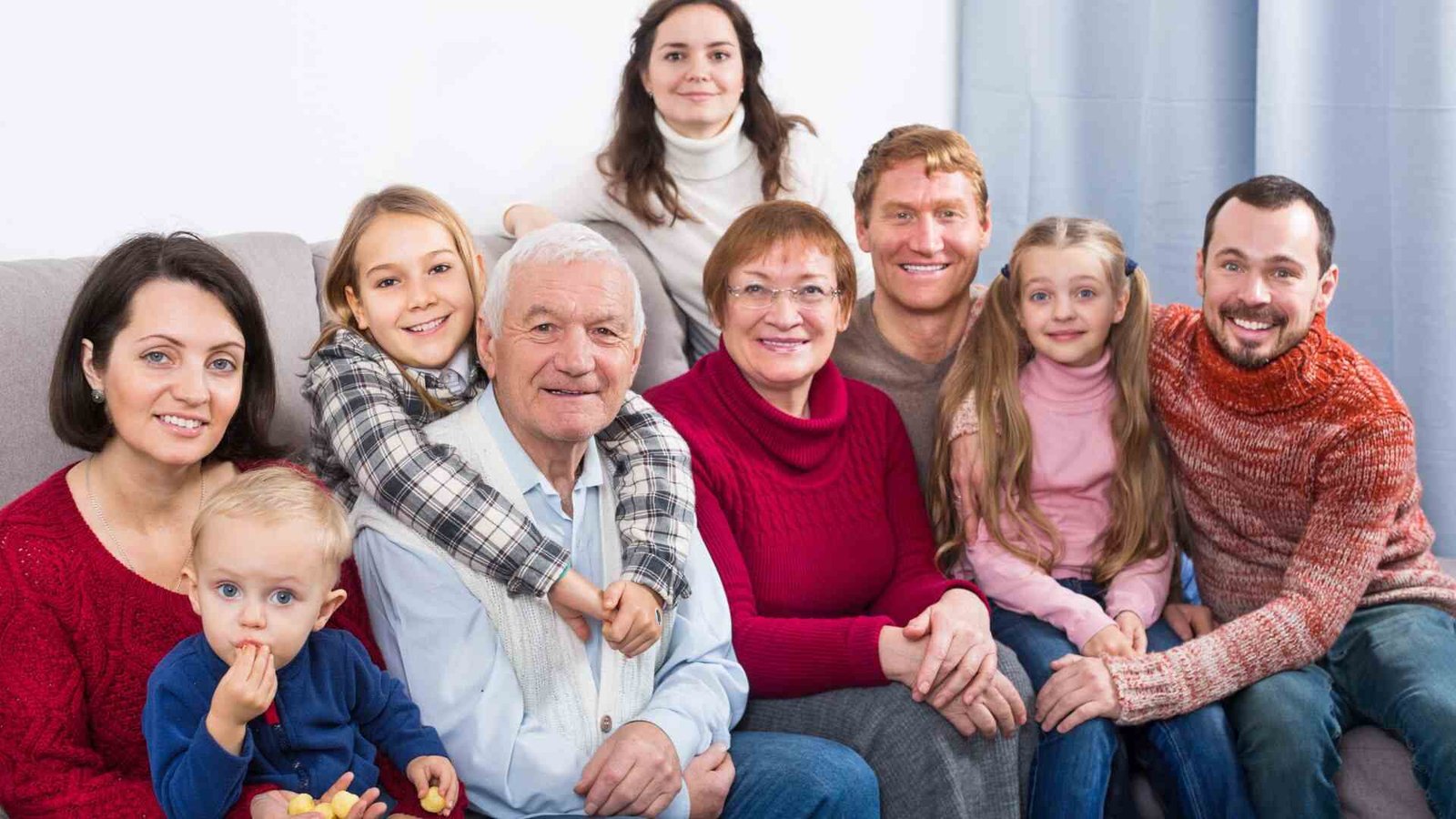
- Intergenerational activities bring energy, diversity, and connection to senior living communities.
Creating a thriving sense of community is fundamental to a positive experience in senior living environments. Residents benefit immensely from social relationships, a feeling of belonging, and opportunities for meaningful engagement. By actively cultivating a vibrant atmosphere, facilities can enhance residents’ quality of life and happiness. An engaging community also supports emotional health and reduces isolation, making it a vital aspect of modern senior care. Learn how leveraging strategies such as diverse programming and collaborative spaces can set your senior living community apart, as seen in communities like Quail Park Memory Care. When seniors feel truly connected and involved, their levels of satisfaction and purpose increase. This not only improves daily living but can also contribute to better health outcomes. A nurturing community helps individuals form friendships, discover new interests, and enriches their lives overall.
Encourage Social Interactions Through Diverse Activities
The foundation of a connected senior living community is the opportunity for residents to engage in meaningful activities together. Hosting a wide range of events, from arts workshops to movie nights and music sessions, fosters camaraderie and helps newcomers integrate easily. Themed celebrations, such as historical or cultural appreciation days, encourage participation across interests and backgrounds. Not only do these gatherings prompt lively conversations and friendships, but they also give residents topics to share with loved ones and staff, further strengthening community bonds. Even a simple shared hobby group can make a significant impact on senior happiness and engagement. Creative programming might include “Decades Nights,” where residents dress up in vintage clothing and swap stories from the past. Activities like these spark laughter and connection, making everyday life more enjoyable for everyone.
Involve Residents in Decision-Making
Collaboration between staff and residents is a hallmark of outstanding senior living communities. Seeking feedback through monthly meetings, suggestion boxes, or interactive surveys demonstrates that residents’ opinions matter. When community members help choose menu items, upcoming activities, or even decor preferences, it fosters a sense of pride and personal investment in shared spaces and routines. Empowering residents to participate in decision-making can also help staff better understand and meet their community’s evolving needs.
Open communication also strengthens trust and creates a more inclusive environment where residents feel respected and valued. Encouraging participation in committees, event planning, or wellness initiatives can strengthen social connections and foster a stronger sense of purpose among residents. This collaborative approach often leads to higher satisfaction, improved morale, and a more vibrant community culture. When residents feel heard and actively involved, they are more likely to engage in daily activities, build meaningful relationships, and experience a greater sense of belonging and independence within the community.
Physical environments play a significant role in shaping community dynamics. Warm, accessible communal spaces are essential for facilitating spontaneous conversations and planned activities. Inviting lounges, peaceful gardens with seating, and multi-purpose activity rooms all serve as natural gathering spots where relationships can blossom. Design choices should prioritize accessibility, ensuring all residents feel welcome and included regardless of mobility concerns. Thoughtful touches, like cozy reading nooks or artwork created by residents, can transform shared spaces into cherished parts of daily life.
Well-designed environments also contribute to emotional well-being and encourage residents to remain socially active. Bright lighting, comfortable furniture, and calming color palettes can create a welcoming atmosphere that promotes relaxation and interaction. Outdoor walking paths, community dining areas, and hobby spaces further encourage engagement by giving residents opportunities to connect through shared interests and routines. Incorporating elements of nature, such as indoor plants or scenic outdoor views, can also enhance mood and reduce stress. When communal areas are thoughtfully designed with comfort, safety, and inclusivity in mind, they become more than just shared spaces, as they become the heart of a thriving and connected community.
Implement Comprehensive Wellness Programs
Promoting residents’ overall well-being goes far beyond physical health. Leading communities offer diverse programming that targets mental stimulation, emotional fulfillment, and interpersonal connection alongside physical fitness. Regular fitness classes, such as chair yoga or pool aerobics, help residents stay active and reduce health risks. Meanwhile, mental health workshops and mindfulness sessions provide essential coping skills and emotional support, especially important for individuals transitioning into new living arrangements. Social activities, communal meals, and group discussions further reinforce a holistic approach to wellness.
Facilitate Intergenerational Activities
Adding intergenerational activities to senior living calendars benefits both residents and participants from different age groups. Programs such as storytelling exchanges with local schoolchildren, mentoring workshops, or community service projects provide older adults with a sense of purpose and foster mutual respect. Intergenerational playdates or technology tutoring sessions are increasingly popular, helping residents stay connected to the wider community while young people gain valuable life perspectives. These opportunities allow seniors to share wisdom and life experiences while creating new memories that bridge generational gaps. Engagement with families and youth also brings fresh energy into senior living environments, reinforcing the community’s vitality and inclusiveness.
Conclusion
A vibrant community is the heart of any successful senior living environment. By encouraging diverse social activities, involving residents in decision-making, designing functional and inviting spaces, supporting holistic wellness, and welcoming intergenerational involvement, communities can ensure all residents feel valued and connected. These strategies work together to transform senior living from a place of residence into a true home, full of friendship, enrichment, and purpose.