


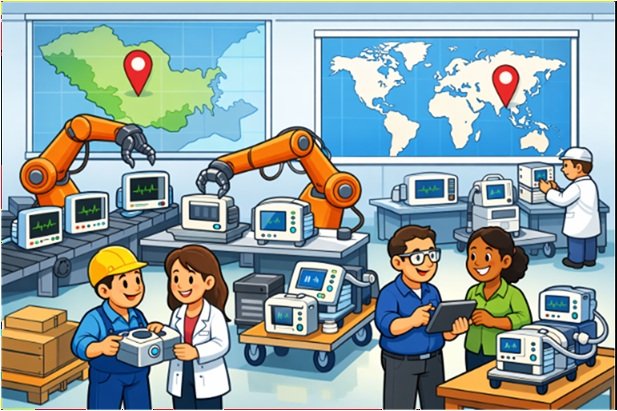
Key Takeaways:
- Medical device manufacturers are adopting advanced technologies to enhance efficiency and product quality.
- Reshoring and nearshoring are becoming prevalent to mitigate supply chain disruptions.
- Addressing workforce shortages through strategic outsourcing and automation is crucial for industry growth.
Table of Contents
- Embracing Advanced Technologies
- Reshoring and Nearshoring Trends
- Tackling Workforce Challenges
- Enhancing Supply Chain Resilience
- Regulatory Compliance and Quality Assurance
- Sustainable Manufacturing Practices
- Collaborative Innovation and Partnerships
- Future Outlook
Embracing Advanced Technologies
The landscape of medical device manufacturing is rapidly evolving thanks to technological breakthroughs. Companies are increasingly adopting artificial intelligence, advanced robotics, and automation to streamline processes and boost product reliability. By integrating systems that use real-time data and machine learning, manufacturers can detect defects earlier and ensure consistently high product standards. This proactive approach is improving patient outcomes, driving innovation, and addressing the growing expectations of healthcare providers and end users.
Innovations such as AI-powered imaging tools and automated quality inspections are helping reduce errors while enabling faster decision-making on the production floor. Companies like https://viantmedical.com/ are pioneering these improvements, allowing medical device providers to adapt quickly to technological shifts while maintaining competitive advantages.
The transition toward digital manufacturing solutions is not just a trend but a transformative shift. These technologies are facilitating predictive maintenance, minimizing downtime, and increasing the efficiency of production workflows. The use of data analytics in particular helps companies optimize inventory, enhance production planning, and forecast demand with greater accuracy.
As artificial intelligence and automation become increasingly embedded in manufacturing environments, regulatory agencies are developing new guidelines to address technological advances. The U.S. Food and Drug Administration, for example, has released guidance on digital health innovation and AI in medical devices.
Reshoring and Nearshoring Trends
The volatility of global supply chains has prompted many medical device manufacturers to move production closer to home, a practice known as reshoring or nearshoring. This approach allows companies to mitigate risks associated with international logistics, fluctuating tariffs, and geopolitical tensions. By establishing manufacturing sites in regions with robust infrastructure, companies can better control product quality, shorten lead times, and improve responsiveness to shifting market demands.
In North America and Europe, a growing number of businesses are evaluating the cost and reliability benefits of transitioning away from offshore models. Onshoring also supports local economies by creating skilled jobs and strengthening regional supply chains. Manufacturers that invest in domestic capabilities can reduce transportation costs, simplify compliance, and build greater business continuity through diversified supply sources.
Tackling Workforce Challenges
A shortage of skilled talent remains one of the most significant obstacles in the medical device sector. As the demand for specialized roles in engineering, manufacturing, and regulatory affairs grows, companies are working to bridge the talent gap in several ways. Strategic partnerships with universities and technical schools, paid apprenticeship programs, and targeted recruitment initiatives all help nurture a future-ready workforce.
In addition to internal development, many organizations are turning to third-party specialists for key operations. Outsourcing non-core functions allows manufacturers to scale rapidly, gain access to expert knowledge, and keep pace with industry best practices. These collaborations are not only helping meet immediate business needs but also contributing to more agile organizational structures.
Enhancing Supply Chain Resilience
Supply chain stability is a primary concern for medical device companies seeking to maintain uninterrupted production and delivery schedules. To enhance resilience, manufacturers are investing in digital supply chain technologies, diversifying their supplier networks, and building robust risk management frameworks. These efforts help companies address vulnerabilities, monitor critical components, and respond promptly to market disruptions.
The deployment of smart supply chains, backed by data analytics and blockchain-based tracing, provides greater visibility into raw material sourcing, supplier performance, and inventory levels. A proactive approach to risk management is now a business imperative, especially following the widespread disruptions of the COVID-19 pandemic.
Regulatory Compliance and Quality Assurance
Regulatory compliance remains a cornerstone of effective medical device manufacturing. As domestic and international standards evolve, companies must stay vigilant to keep pace with changes and implement best-in-class quality management systems. These systems ensure product safety, drive reliability, and simplify the documentation required for audits and certifications.
Continuous improvement is woven into the fabric of leading manufacturers. These businesses foster a culture of accountability, regularly conduct internal audits, and use advanced monitoring tools to identify and correct issues before products reach the market. Investments in compliance technology safeguard against costly recalls and reputational harm.
Sustainable Manufacturing Practices
Environmental responsibility is gaining momentum in the industry as manufacturers adopt greener practices. From reducing waste and conserving energy to sourcing sustainable materials for product development, medical device companies are integrating environmental stewardship into their business strategies. Recyclable packaging, energy-efficient production methods, and the use of renewable resources are becoming commonplace among industry leaders.
In response, consumers and healthcare providers increasingly value the sustainability credentials of their suppliers, encouraging manufacturers to pursue green certifications and publish transparent environmental data.
Collaborative Innovation and Partnerships
Success in the fast-paced landscape of medical device technology is frequently driven by collaboration. Partnerships between manufacturers, academic research centers, and healthcare providers foster knowledge sharing, resource pooling, and accelerated product development. This collaborative approach ensures a continuous pipeline of transformative products, from next-generation imaging tools to patient-centric wearables.
Cross-sector initiatives, joint research ventures, and industry consortia are facilitating agility across the value chain while also contributing to more robust regulatory guidance. Collaboration not only speeds time-to-market for innovative solutions but also raises standards for patient care across the industry.
Future Outlook
The medical device manufacturing sector is poised for a future marked by rapid advancement and increased complexity. As new regulatory frameworks and technologies reshape the landscape, companies must continuously adapt to meet both compliance requirements and consumer expectations. By embracing digital tools, strengthening supply networks, developing talent, and fostering innovation through partnerships, the industry is well-positioned to tackle future challenges and build on a legacy of health-focused innovation.
