


When a tooth becomes severely decayed, infected, or damaged, one of the most common questions is whether it can still be saved or needs to be removed.
Root canal treatment and tooth extraction are both established dental procedures, but they serve different purposes. A root canal is designed to treat the inside of an affected tooth while preserving the natural tooth structure. An extraction removes the tooth when it cannot be predictably restored or when removal is considered the appropriate treatment.
The right choice depends on several factors, including the amount of healthy tooth structure remaining, the extent of infection or decay, the presence of cracks, and the condition of the surrounding gums and bone.
Root Canal vs Tooth Extraction: What’s the Difference?
The simplest distinction is that root canal treatment aims to save a natural tooth, while tooth extraction removes it.
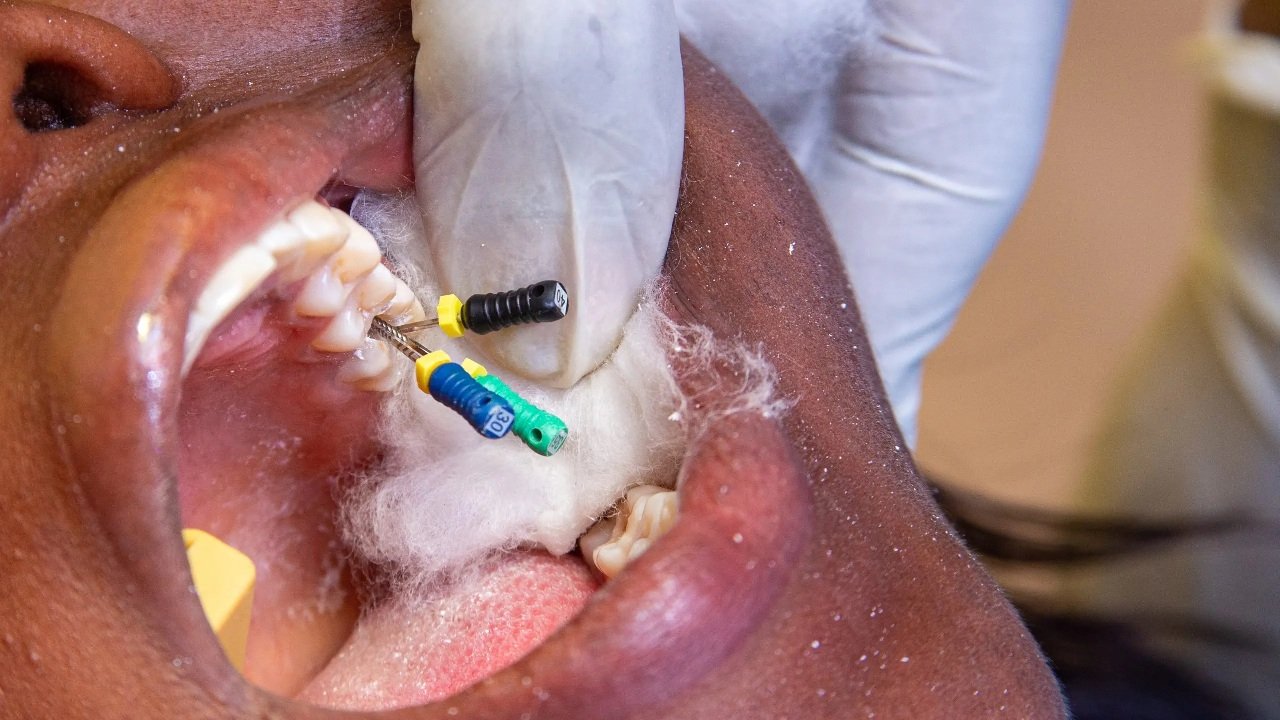
During root canal treatment, the infected or inflamed pulp inside the tooth is removed. The root canals are cleaned, shaped, and sealed before the tooth is restored.
With a tooth extraction, the entire tooth is removed from its socket. Once the tooth has been extracted, the patient and dentist can discuss whether replacement is necessary and which option may be appropriate.
What Is Root Canal Treatment?
A root canal, also known as endodontic treatment, is used to treat infection or inflammation affecting the dental pulp.
The pulp contains nerves and blood vessels inside the tooth. Deep decay, trauma, cracks, or other damage can allow bacteria to reach this area.
Depending on the severity of the problem, an untreated infection can lead to symptoms such as:
- Persistent toothache
- Sensitivity to hot or cold
- Pain when biting
- Swelling around the tooth
- Gum tenderness
- Dental abscess
During root canal treatment, the dentist accesses the inside of the tooth and removes the infected or inflamed pulp. The canals are then cleaned and shaped before being sealed.
The tooth will usually require a suitable restoration afterward. Depending on the amount of remaining tooth structure and the location of the tooth, this may involve a filling or crown.
What Is Tooth Extraction?
A tooth extraction involves removing a tooth from its socket.
Dentists may recommend extraction when a tooth has been damaged or weakened to the point that it cannot be predictably restored. Extraction may also be appropriate in certain other situations, depending on the patient’s overall dental condition.
Common reasons may include:
- Extensive tooth decay
- Severe structural damage
- A fracture extending below the gumline
- Insufficient healthy tooth structure
- Certain advanced infections
- Teeth that cannot be adequately restored
Some extractions are straightforward, while others may require a surgical approach. The complexity depends on factors such as the position of the tooth, its roots, and the surrounding bone.
When Can a Root Canal Save a Tooth?
The possibility of saving a tooth depends largely on whether enough healthy structure remains to support a long-term restoration.
A dentist may assess:
- The amount of remaining healthy tooth structure
- The extent of decay
- The location and severity of infection
- Whether the tooth has cracked or fractured
- The condition of the surrounding gums
- The amount of supporting bone
- Whether the tooth can be properly restored after treatment
If the tooth is structurally sound enough to be restored, root canal treatment may provide an opportunity to preserve the natural tooth.
Preserving a natural tooth can help maintain its existing position and function, provided the tooth has a reasonable long-term prognosis.
When Is Tooth Extraction Necessary?
Sometimes a tooth is too severely compromised to be saved predictably.
Extraction may be considered when there is:
- Extensive decay that leaves insufficient tooth structure
- A severe fracture
- A crack extending below the gumline
- Significant structural damage
- An inability to restore the tooth adequately
- A dental condition where extraction is considered the most appropriate treatment
However, a tooth that appears severely damaged is not necessarily beyond treatment.
A clinical examination and appropriate dental imaging can help determine whether the tooth can be restored or whether removal would provide a more predictable outcome.
Root Canal vs Tooth Extraction: Potential Advantages and Considerations
Root Canal Treatment
Potential advantages include:
- Preserves the natural tooth
- Maintains the existing tooth position
- Allows the tooth to continue functioning
- Avoids an immediate gap in the dental arch
- May reduce the need for tooth replacement
Things to consider:
- The tooth must be suitable for restoration
- Treatment may require more than one appointment
- A crown or other restoration may be needed afterward
- Severely damaged teeth may not be suitable
Tooth Extraction
Potential advantages include:
- Removes a tooth that cannot be predictably restored
- Can eliminate a severely damaged or problematic tooth
- May be the appropriate solution in certain complex cases
Things to consider:
- The natural tooth is permanently removed
- Healing is required
- The missing tooth may need to be replaced
- Replacement can involve additional treatment and expense
Is a Root Canal More Painful Than an Extraction?
Fear of pain is one of the biggest reasons some people delay dental treatment.
Both root canal treatment and tooth extraction are generally performed using local anaesthesia to numb the treatment area. What a patient experiences afterward can vary depending on the condition of the tooth, the complexity of the procedure, the extent of infection, and individual healing.
Rather than choosing a treatment based solely on concerns about discomfort, it is better to discuss the procedure, expected recovery, and available comfort measures with your dentist.
Patients who experience significant dental anxiety can also ask about appropriate sedation options.
Root Canal vs Extraction: Which Costs More?
Comparing the initial price of the two procedures doesn’t always provide a complete picture.
Root canal treatment may involve the cost of the endodontic procedure as well as a filling, crown, or other restoration.
Extraction may have a lower initial treatment cost, but removing a tooth can create a need for tooth replacement options later.
Depending on the individual situation, replacement options may include:
- Dental implants
- Dental bridges
- Partial or complete dentures
For this reason, it can be useful to discuss the complete treatment pathway with your dentist rather than comparing only the cost of the initial procedure.
What Happens After Tooth Extraction?
After an extraction, the area needs time to heal.
Depending on the location of the missing tooth and the patient’s oral health, replacing it may be recommended.
Dental Implants
Dental implants are designed to replace missing tooth roots and can support a crown or other restoration. Implant suitability depends on factors such as bone availability, gum health, general oral health, and the location of the missing tooth.
Dental Bridges
A dental bridge can replace a missing tooth by using neighbouring teeth or other supporting structures, depending on the type of bridge.
Dentures
Dentures are removable appliances that can replace one or multiple missing teeth.
Not every missing tooth necessarily requires immediate replacement. The decision depends on the tooth’s location, its role in chewing, the patient’s bite, oral health, and personal preferences.
Why Saving a Natural Tooth May Matter
When possible, preserving a natural tooth can help maintain the existing dental structure.
A natural tooth has its own root and supporting tissues, and keeping it avoids the immediate need to plan for a replacement.
However, saving a tooth is not always the best option. If a tooth has a poor long-term prognosis, attempting treatment may not provide a predictable result.
The goal should therefore be to choose the treatment that offers the most appropriate outcome for the individual tooth.
Root Canal or Extraction: Which Is Right for You?
There is no universal answer to the question of root canal or extraction.
If a tooth can be predictably restored, root canal treatment may provide a way to treat infection while preserving the natural tooth. If the tooth has extensive damage and cannot be reliably restored, extraction may be recommended.
The decision should be based on the condition of the tooth, surrounding tissues, expected treatment outcome, and the patient’s overall dental needs.
If you experience persistent tooth pain, swelling, sensitivity, a broken tooth, or other signs of infection, getting a dental assessment promptly can help determine what is happening and what treatment options are available.
Early assessment may also provide more opportunities to preserve the natural tooth when appropriate.
