


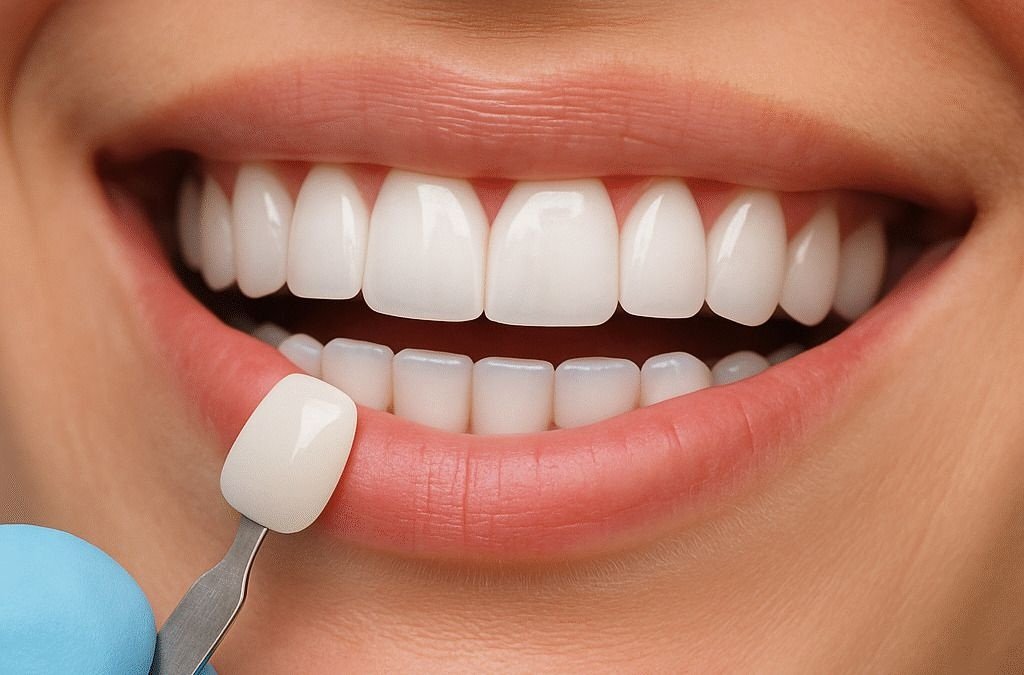
A bright, balanced smile can have a significant impact on how people feel about their appearance. For individuals who are unhappy with tooth colour, shape, minor chips, or small gaps, dental veneers are one of the cosmetic dentistry options that may be considered.
Veneers are thin, custom-made restorations designed to cover the visible front surface of teeth. Depending on the material and individual circumstances, they can improve the appearance of teeth while maintaining normal dental function.
Before choosing veneers, it is important to understand the different types available, the treatment process, potential benefits, and the factors that influence veneers cost in Auckland.
What Are Dental Veneers?
Dental veneers are customised shells that are bonded to the front surface of teeth. They can alter the appearance of a tooth by changing its colour, shape, size, or proportions.
They may be considered for several cosmetic concerns, including:
- Persistent tooth discolouration
- Minor chips or fractures
- Small gaps between teeth
- Uneven tooth shapes
- Mild enamel wear
- Certain minor cosmetic alignment concerns
However, veneers are primarily a cosmetic treatment. Existing dental problems such as tooth decay, gum disease, or significant bite issues may need to be treated before veneers are considered.
A dental examination is therefore an important first step.
Types of Dental Veneers
There are several types of veneers, and the most suitable option depends on factors such as oral health, aesthetic goals, tooth structure, bite, and budget.
Composite Veneers
Composite veneers are created using tooth-coloured resin. The material can be applied directly to the tooth and shaped by the dentist.
One of the main advantages of composite veneers is that treatment can often be completed relatively quickly, sometimes during a single appointment. They can also be repaired or modified in certain situations.
However, composite resin is generally more susceptible to staining and surface wear than porcelain. Maintenance may therefore be required over time.
Porcelain Veneers
Porcelain veneers are individually fabricated using dental ceramic before being bonded to the teeth.
They can provide a natural-looking appearance because porcelain has optical characteristics that closely resemble natural enamel. Porcelain is also highly resistant to staining.
Treatment generally involves more planning than direct composite treatment because the veneers need to be designed and fabricated before final placement.
Minimal-Preparation Veneers
Minimal-preparation and no-preparation veneers are designed to preserve as much natural tooth structure as possible.
These options may be appropriate for selected patients whose teeth already have suitable size, shape, alignment, and enamel characteristics.
They are not suitable for everyone. Teeth that are significantly protruding, bulky, severely discoloured, or affected by substantial bite problems may require another approach.
What Is the Dental Veneer Treatment Process?
The exact process varies depending on the type of veneers and the condition of the teeth.
1. Consultation and Examination
The first step is a dental examination. The dentist may assess the teeth, gums, bite, existing restorations, and overall oral health.
Photographs, impressions, digital scans, or X-rays may also be used when clinically appropriate.
2. Treatment Planning
Once the teeth have been assessed, the dentist can discuss suitable treatment options.
This stage may involve selecting the veneer material, shade, shape, and size. The overall appearance of the smile should be considered rather than focusing on individual teeth alone.
3. Tooth Preparation
Traditional porcelain veneers generally require controlled removal of a small amount of enamel so that the restoration can fit correctly.
Some minimal-preparation veneers may require little or no enamel removal, but suitability depends on the individual case.
4. Veneer Fabrication
Composite veneers can generally be shaped directly on the teeth.
Porcelain veneers, on the other hand, are usually fabricated individually before being bonded to the teeth.
5. Fitting and Bonding
Before permanent bonding, the dentist checks the veneers for fit, shade, shape, and overall appearance.
Once everything is satisfactory, the veneers are bonded to the teeth using dental adhesive.
6. Final Adjustments
The dentist checks the patient’s bite and comfort after placement. Minor adjustments may be made where necessary.
Benefits of Dental Veneers
For suitable candidates, veneers can provide several cosmetic benefits.
They may help:
- Improve the appearance of discoloured teeth
- Create a more uniform tooth shape
- Conceal minor chips
- Reduce the appearance of small gaps
- Improve smile symmetry
- Create a more consistent tooth shade
- Contribute to an overall smile makeover
However, veneers do not automatically make a smile healthier. Good oral hygiene and regular dental care remain important before, during, and after cosmetic treatment.
How Long Do Veneers Last?
The lifespan of veneers varies according to the material used, oral hygiene, bite, lifestyle, and maintenance.
Composite veneers may require replacement or maintenance sooner than porcelain veneers because composite resin is more vulnerable to staining and wear.
Porcelain veneers can often last many years when properly maintained. However, no dental restoration is completely permanent. Chipping, fracture, changes in the underlying tooth, or normal wear may eventually require repair or replacement.
People who grind or clench their teeth may have a higher risk of damaging cosmetic restorations.
How Much Do Dental Veneers Cost in Auckland?
The price of dental veneers in Auckland can vary significantly between patients.
Several factors can influence the overall cost, including:
- Type of veneer selected
- Number of teeth being treated
- Amount of preparation required
- Laboratory and fabrication costs
- Complexity of the case
- Additional dental treatment required
- Experience and location of the dental provider
Because every case is different, an online price alone may not provide an accurate estimate.
A consultation allows the dentist to examine the teeth and develop an individual treatment plan before providing a more precise cost estimate.
Veneers vs Other Cosmetic Dental Treatments
Veneers are only one option within cosmetic dentistry.
Depending on the concern, alternatives may include professional teeth whitening, dental bonding, orthodontic treatment, crowns, or other restorative procedures.
For example, someone primarily concerned about tooth colour may benefit from professional whitening, while someone with significant tooth damage may require a restorative treatment rather than a veneer.
This is why treatment should be based on the underlying dental concern rather than simply choosing the most popular cosmetic procedure.
Caring for Dental Veneers
Proper care can help protect veneers and the natural teeth underneath them.
Good habits include:
- Brush twice a day with fluoride toothpaste.
- Clean between the teeth regularly.
- Attend routine dental examinations.
- Avoid biting very hard objects.
- Do not use teeth to open packaging.
- Limit habits that could damage or stain restorations.
- Discuss a night guard with a dentist if teeth grinding or clenching is present.
Although porcelain veneers are highly stain resistant, the natural teeth surrounding them can still become discoloured. Maintaining good oral hygiene therefore remains important for the overall appearance of the smile.
Are Dental Veneers Right for Everyone?
Veneers are not appropriate for every patient.
People with untreated tooth decay, active gum disease, severe enamel loss, significant bite problems, or insufficient tooth structure may need other treatments first.
A dentist can assess the condition of the teeth and explain whether veneers, orthodontics, bonding, crowns, whitening, or another treatment would be more appropriate.
The goal of cosmetic dentistry should be to achieve a result that looks natural while maintaining healthy dental function.
Final Thoughts
Dental veneers can be an effective cosmetic option for people looking to improve the colour, shape, symmetry, or appearance of their teeth.
Porcelain and composite veneers have different characteristics, while minimal-preparation options may be suitable for selected patients. The treatment process and veneers cost in Auckland can also vary depending on the individual case.
Rather than choosing veneers based solely on appearance or price, it is important to have the teeth professionally assessed first. A personalised treatment plan can help determine whether veneers are appropriate and what alternatives may be available.
