


Table Of Contents
- Start With The Powertrain Basics
- Match The Vehicle To Driving Habits
- Compare Ownership Costs
- Review Charging And Fueling Needs
- Consider Maintenance And Repairs
- Think About Weather And Long Trips
- Choose The Right Vehicle Size
- Use A Simple Comparison Checklist
- Common Questions From Vehicle Shoppers
- Make The Choice That Fits Real Life
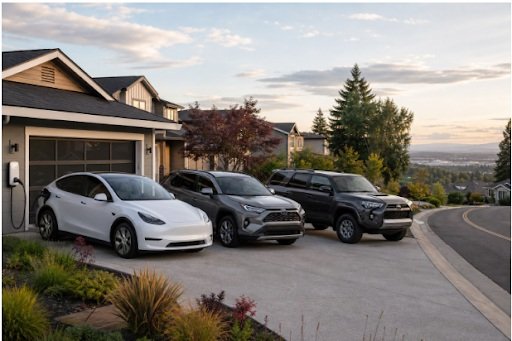
Choosing between an electric vehicle, a hybrid, and a gas-powered vehicle is less about picking the newest technology and more about choosing what supports your normal routine. Daily mileage, charging access, budget, weather, passenger needs, and travel habits all matter. For vehicle research and shopping guidance, learn more before narrowing the field.
An EV can be an excellent fit for one driver and a frustrating fit for another. Likewise, a conventional gas vehicle can still be the most practical answer for towing, frequent long-distance travel, or drivers who need fast refueling almost anywhere. The right choice should make an ordinary weekday easier.
1. Start With The Powertrain Basics
A gas vehicle relies entirely on an internal-combustion engine and gasoline. A standard hybrid pairs a gasoline engine with an electric motor and battery, using electric assistance to reduce fuel consumption, especially in stop-and-go driving. An EV uses a large battery and electric motors instead of gasoline. A plug-in hybrid is a middle ground: it can drive a limited distance on battery power, then use gasoline when the battery charge is depleted. None is automatically best for every household.
2. Match The Vehicle To Driving Habits
Your driving pattern often reveals more than a feature list. EVs are especially convenient for predictable, shorter commutes when overnight home charging is available. Hybrids work well for mixed city and highway driving because they improve efficiency without requiring charging stops. Gas vehicles and hybrids can simplify frequent road trips, unexpected travel, and routes where charging locations are less convenient.
- Predictable commuting: Consider an EV if charging can become part of the nightly routine.
- Changing schedules: Consider a hybrid for fuel savings with gasoline flexibility.
- Long-distance travel: Consider how often fast refueling matters more than lower daily energy costs.
3. Compare Ownership Costs
Look beyond the sticker price and compare the full ownership picture. Fuel, maintenance, depreciation, insurance, financing, and fees can substantially change what a vehicle costs over several years. Compare similar vehicle classes, such as three compact SUVs, rather than comparing a small EV against a full-size gas truck.
- Estimate monthly gasoline or electricity costs based on your mileage.
- Check insurance quotes, registration charges, expected maintenance, and financing terms.
- Consider how long you expect to keep the vehicle and treat resale projections as estimates, not promises.
4. Review Charging And Fueling Needs
Energy access can shape the ownership experience as much as range or fuel economy. Home charging is usually the easiest EV arrangement because the vehicle can recharge while parked overnight. Workplace and public charging can help, but availability, pricing, and reliability vary. Faster public charging is useful on trips, although charging speed changes with the vehicle, charger, temperature, and battery level. Battery use and fuel flexibility are important distinctions when comparing EVs, hybrids, and plug-in hybrids.
5. Consider Maintenance And Repairs
Gas vehicles need familiar services such as oil changes, engine filters, and potential exhaust-system repairs. Hybrids still have gasoline engines, so many of those needs remain. EVs have fewer drivetrain moving parts and no routine oil changes, but every vehicle still needs tires, brake service, suspension work, cooling-system attention, and inspections. Repair costs depend on the model, warranty coverage, location, and the specific problem. Drivers who want fewer regular engine-related appointments may prefer an EV, while others may value the familiarity of gas or hybrid service.
6. Think About Weather And Long Trips
Cold weather can reduce available EV range and slow charging, so winter travel requires more planning. Snow, wind, steep grades, heavy cargo, and towing can reduce efficiency for every powertrain. Gas stations remain quick and widely available on long routes. Hybrids retain gasoline range while reducing fuel use, and EV drivers should identify dependable charging stops before taking unfamiliar trips.
7. Choose The Right Vehicle Size
Pick the vehicle type before deciding on the powertrain. Small cars suit commuting and easy parking. Crossovers add cargo room and a higher seating position. Three-row SUVs better support larger families and frequent passenger trips. Pickups can be practical for work equipment, hauling, and towing. Compare cargo measurements, passenger space, payload, towing limits, and available all-wheel-drive systems, because these needs may matter more than the energy source.
8. Use A Simple Comparison Checklist
- How many miles do you drive in a typical week?
- Can you reliably charge at home or work?
- How often do you take long trips or tow equipment?
- What cargo space and passenger capacity do you need?
- What monthly payment and operating costs fit your budget?
- How will winter weather affect your daily travel?
- Is lower energy use more valuable to you than quick refueling?
9. Common Questions From Vehicle Shoppers
Is An EV Always Cheaper To Own?
No. Lower electricity and maintenance costs can help, but purchase price, insurance, charging rates, financing, depreciation, and ownership length affect the result.
Is A Hybrid Better Than An EV For Long Commutes?
A hybrid may be easier when charging is unavailable. An EV can still work very well for a long but predictable commute when charging is convenient.
Do EVs Work In Cold Weather?
Yes, but the range may be shorter, and charging may take longer. Planning becomes more important during cold-weather travel.
Which Type Needs The Least Maintenance?
EVs usually avoid many engine-related services, but tires, brakes, suspension components, and other wear items still need attention.
10. Make The Choice That Fits Real Life
An EV can be ideal for home charging and predictable driving. A hybrid can balance efficiency with flexibility. A gas vehicle can remain the practical choice for frequent towing, long trips, or drivers who prioritize fast refueling. Choose the powertrain that works for your real schedule, budget, weather, and vehicle needs, not just the one that looks best during a short test drive.
